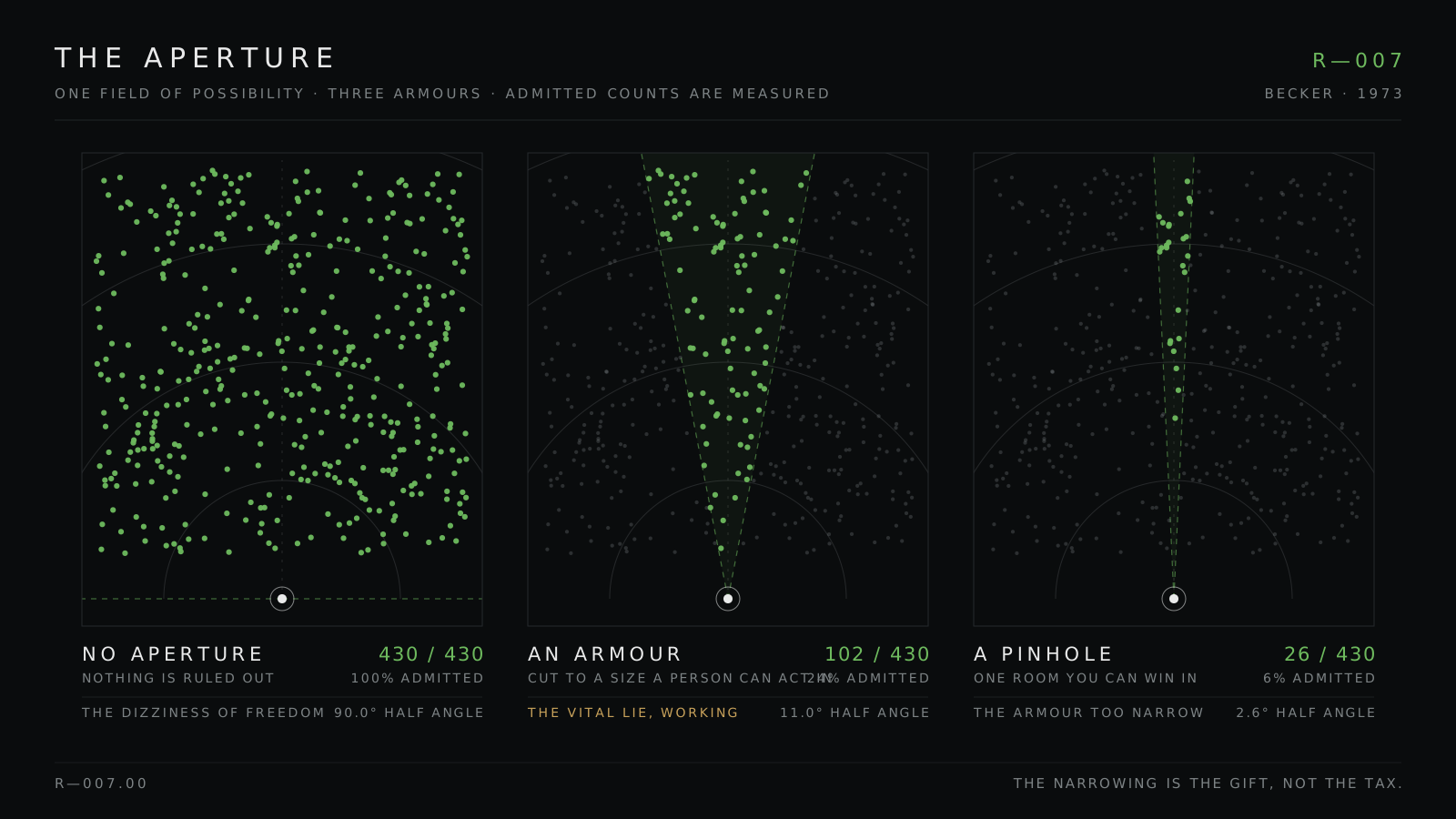
Ernest Becker's subject was not death. It was the machinery a mortal animal builds in order to be able to act at all — character as armour, culture as a hero system that issues the roles and keeps the score, and the handful of vehicles in which a person banks a significance they will not be present to collect. This is a close reading of The Denial of Death (1973) that ends where the book ends: at the smallest move available, which is to fashion something and drop it into the confusion. It also operates. Six passes — a census of what you would be ashamed to stop, the scorekeeper standing behind each one, the vehicle carrying it, the single person who may quietly have been appointed to issue the verdict, and what the score is worth the day after — collapse into a printed portfolio sheet and an aperture reading whose arithmetic is shown on the page so the reader can disagree with it. Nothing is transmitted; the whole audit lives in the reader's own browser.
A reading of Ernest Becker's The Denial of Death (The Free Press, 1973): the symbolic self carried around in a creature body, Kierkegaard's dizziness of freedom and why limits are what make action possible, character as the vital lie — Reich's armour, which protects and restricts and cannot be removed — culture as a hero system that issues the roles and keeps the score, the causa sui project behind every claim to be self-made, the vehicles in which significance is banked, transference as a post no human being can hold, and Becker's refusal to sell an exit. It carries a six-pass instrument that audits the reader's own hero portfolio and prints a sheet; everything typed stays in their own browser.
→ Enter the world of The Vital Lie → Open the reading
Work 014 — The Bathing of Apollo →
Reading · The Grotto